Properties Dried & Certified
Average Emergency Mobilization
Psychrometric Dry Standard
Water Damage Restoration Services In Atlanta
Expert Water Damage Restoration Services in Atlanta
When liquid water enters a structure in Atlanta, it immediately begins traveling along path-of-least-resistance routes—wicking into porous drywall, pooling underneath luxury vinyl or hardwood, and saturating fiberglass insulation. Water Damage Master halts this destructive progression using applied psychrometric science.
Sub-slab plumbing failures beneath Atlanta foundations demand immediate dielectric thermal imaging before foundation concrete absorbs migrating moisture. Our field supervisors use non-destructive FLIR thermal imaging to identify saturation perimeters and inject low-grain dehumidified airflow directly into concealed cavities, saving structural elements from demolition.
We proudly protect homes, multi-family residences, and commercial facilities throughout Atlanta, Logan County, and adjacent Illinois zip codes.
Deep Structural Extraction
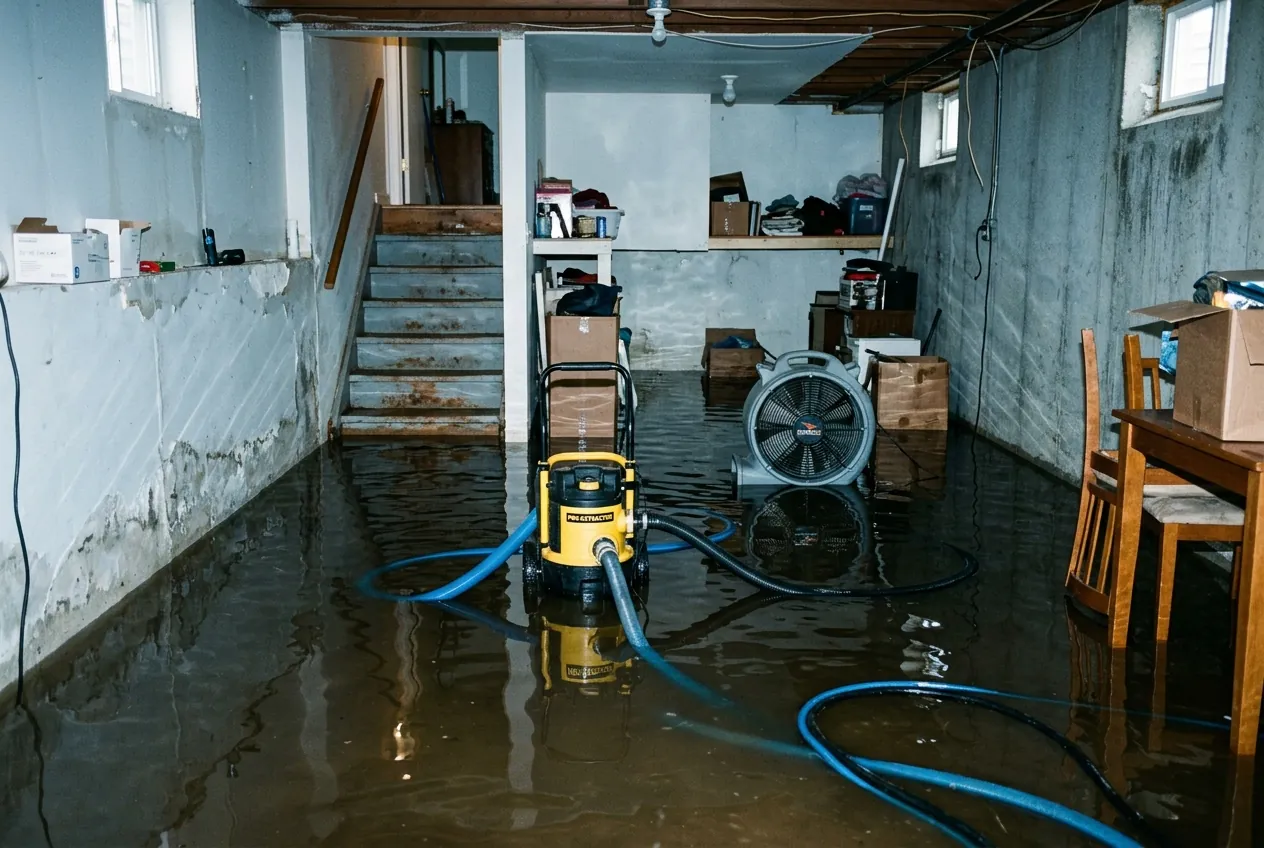
High-volume vacuum extraction removes bound water from concrete, subflooring, and crawlspaces.
Microbial Inactivation
Hospital-grade antimicrobial application and negative air filtration prevent fungal proliferation.
Reliable Structural Drying In Atlanta
Category 3 black water intrusions, including municipal sewer line overflows and storm runoff in Atlanta, Illinois, represent serious biohazard risks teeming with enteric viruses, bacterial pathogens, and chemical toxins. Water Damage Master treats every contaminated water incident with strict bio-containment precautions.
Our technicians wear Level C protective gear, isolate affected spaces under negative air pressure to halt airborne pathogens, extract unsanitary fluids, safely remove non-salvageable porous items, and apply EPA-registered broad-spectrum hospital disinfectants to all structural boundaries.
Primary Service Zip Codes in Atlanta
Frequently Asked Questions • Atlanta, IL Water Mitigation
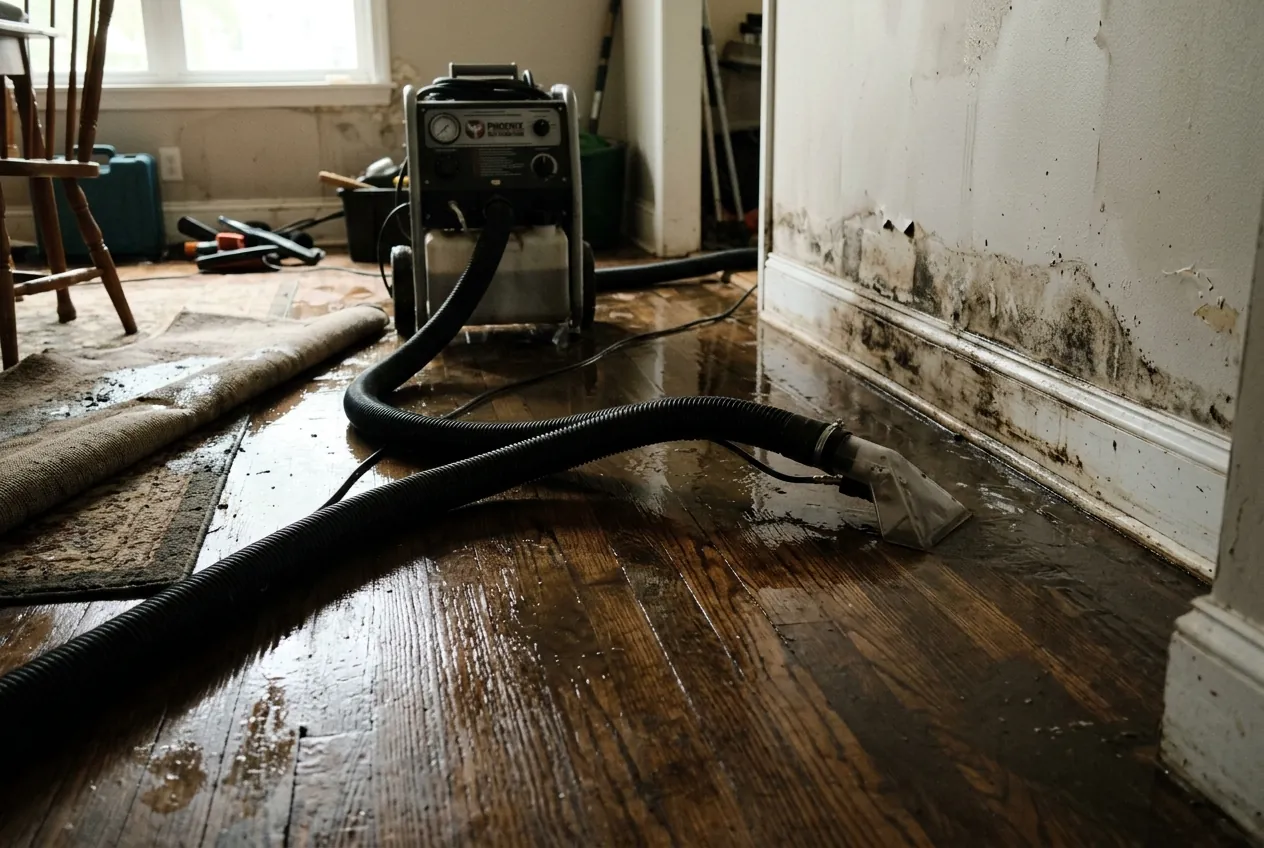
In many instances, yes. When addressed quickly, our technicians in Atlanta, Illinois utilize specialized injection drying systems and heavy-duty floor mat extraction equipment that pulls moisture directly from beneath hardwood planks and subfloor sheathing. By drawing air down through the seams under negative pressure while maintaining controlled ambient humidity, we frequently prevent permanent cupping and avoid costly floor replacement.
Yes. Raw sewage backups are hazardous emergencies containing parasites, E. coli, and airborne bio-contaminants. Our certified biohazard restoration teams in Atlanta, Illinois extract raw black water, bag and safely dispose of contaminated porous contents, pressure-wash concrete foundations with hospital-grade biocides, and install industrial dehumidifiers to dry crawlspace joists and subfloors completely.
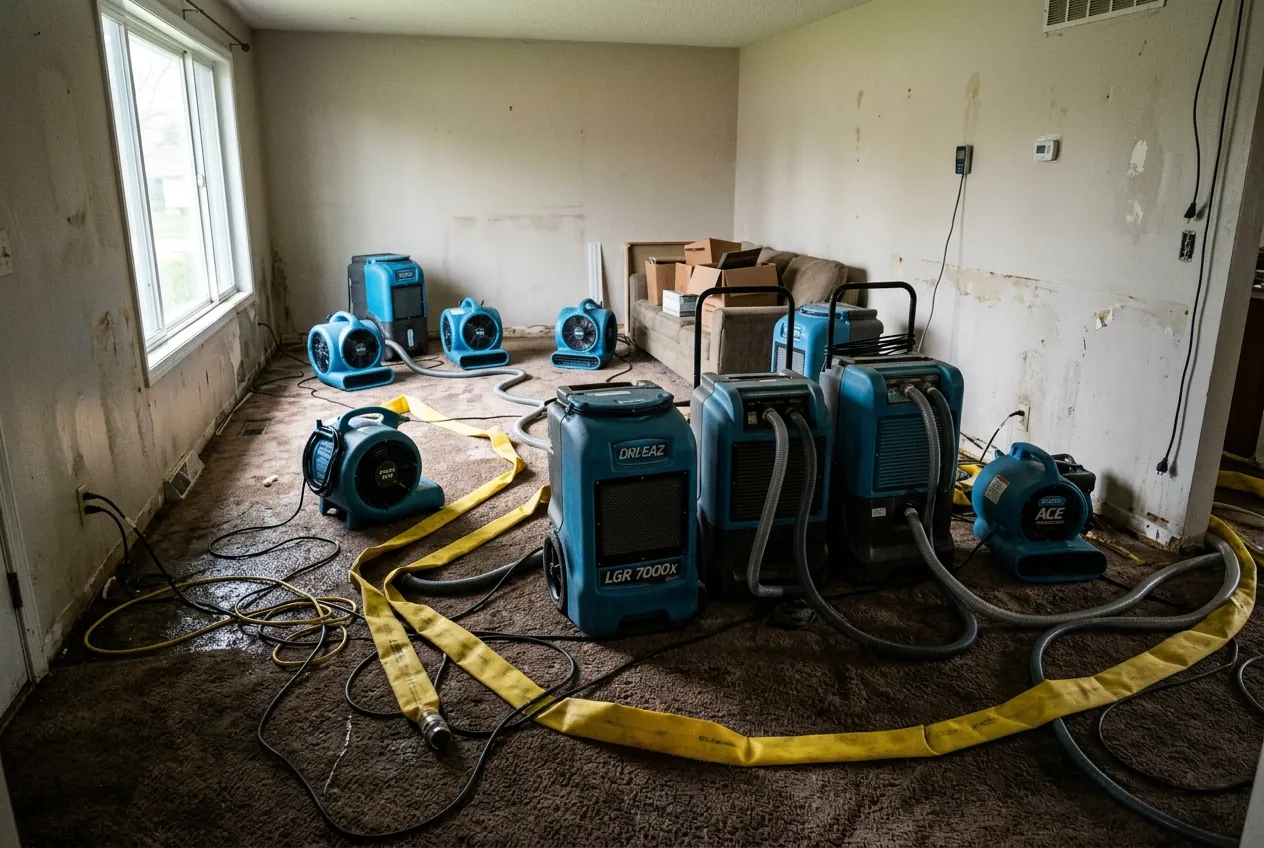
We deploy an array of specialized equipment engineered for structural remediation: truck-mounted high-CFM vacuum extractors, Low-Grain Refrigerant (LGR) dehumidifiers, commercial desiccant units for dense framing, high-velocity axial air movers to break the boundary layer of moisture, and HEPA 500 air scrubbers to capture airborne particulates and biological contaminants throughout your Atlanta, Illinois home.
Drywall exposed to Category 1 clean water can often be salvaged and dried in place if the gypsum core remains rigid and non-delaminated. However, if water wicked high up the wall, saturated fiberglass insulation, or involved Category 2 or Category 3 black water, industry standards mandate a "flood cut"—slicing away the lowest 12 to 24 inches of drywall. This allows our teams in Atlanta, Illinois to extract soaked insulation and directly ventilate wall framing cavities.
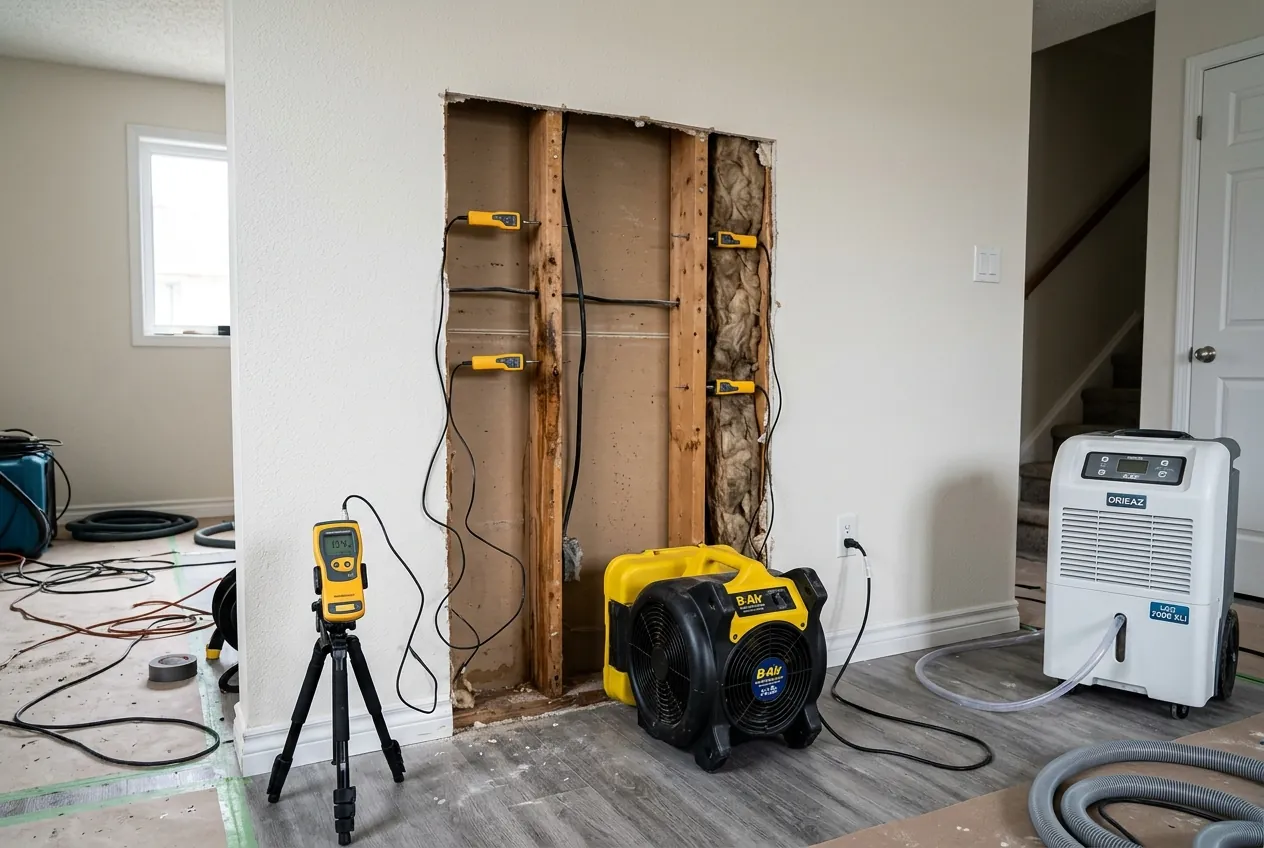
Insulation inside wall cavities traps moisture against exterior sheathing, leading to hidden rot. In Atlanta, Illinois, our crews remove baseboards and drill small, discreet 5/8-inch access holes near the bottom plate. We then attach specialized structural wall-cavity drying systems that force dehumidified warm air directly inside the wall framing, allowing us to dry the structure from the inside out without tearing down entire walls.
Our emergency crews in Atlanta, Illinois use non-invasive FLIR infrared thermal cameras combined with penetrating and non-penetrating pinless moisture meters. Thermal imaging detects evaporation patterns and temperature anomalies caused by damp insulation or trapped subfloor moisture. This enables us to pinpoint every pocket of moisture without needlessly cutting drywall or pulling up undamaged flooring.
The IICRC S500 standard classifies water into three hygiene categories: Category 1 (Clean Water) originates from sanitary sources like broken supply lines or faucet overflows. Category 2 (Grey Water) carries chemical or physical contamination from washing machines, dishwashers, or sump pump overflows. Category 3 (Black Water) is grossly unsanitary, containing sewage, ground surface floodwaters, or standing water that has stagnated. Each category requires distinct containment barriers, personal safety gear, and antimicrobial treatment protocols in Atlanta, Illinois.
Yes. Our restoration professionals in Atlanta, Illinois prioritize EPA-registered, hospital-grade botanical disinfectants derived from natural thyme oil, as well as low-toxicity quaternary solutions. These compounds neutralize bacterial pathogens, viral agents, and fungal spores without leaving hazardous synthetic chemical residues. Once surfaces have dried—normally within 30 to 60 minutes—the area is safe for families and domestic animals.
Recent Disaster Recovery Outcomes in Atlanta
"Flash flooding inundated our crawlspace with mud and standing groundwater. Water Damage Master pumped out the water, extracted wet debris, sanitized all foundation piers, and installed industrial desiccant drying units. The musty smell that had plagued our entire first floor was completely gone within days."
"When sewage backed up through the basement floor drains on Thanksgiving afternoon in Atlanta, Illinois, I expected no one to answer. Water Damage Master mobilized a specialized biohazard mitigation van immediately. They sanitized every square foot, hauled away damaged drywall, and restored clean indoor air quality before our family arrived."
"Our finished basement took on eight inches of storm runoff when the municipal storm drain backed up. The team from Water Damage Master arrived equipped with heavy truck-mounted pump extractors. Within three hours, all standing black water was pumped out and hospital-grade antimicrobials were applied to the concrete foundation. Exceptional precision and professionalism."
Experiencing Flooding or a Plumbing Breach in Atlanta?
Do not wait for structural timbers to cup or black mold to colonize your walls. Call Water Damage Master now for 24/7 priority emergency response.
Call Now: (877) 410-2199