Properties Dried & Certified
Average Emergency Mobilization
Psychrometric Dry Standard
Water Damage Restoration Services In Blowing Rock
Expert Water Damage Restoration Services in Blowing Rock
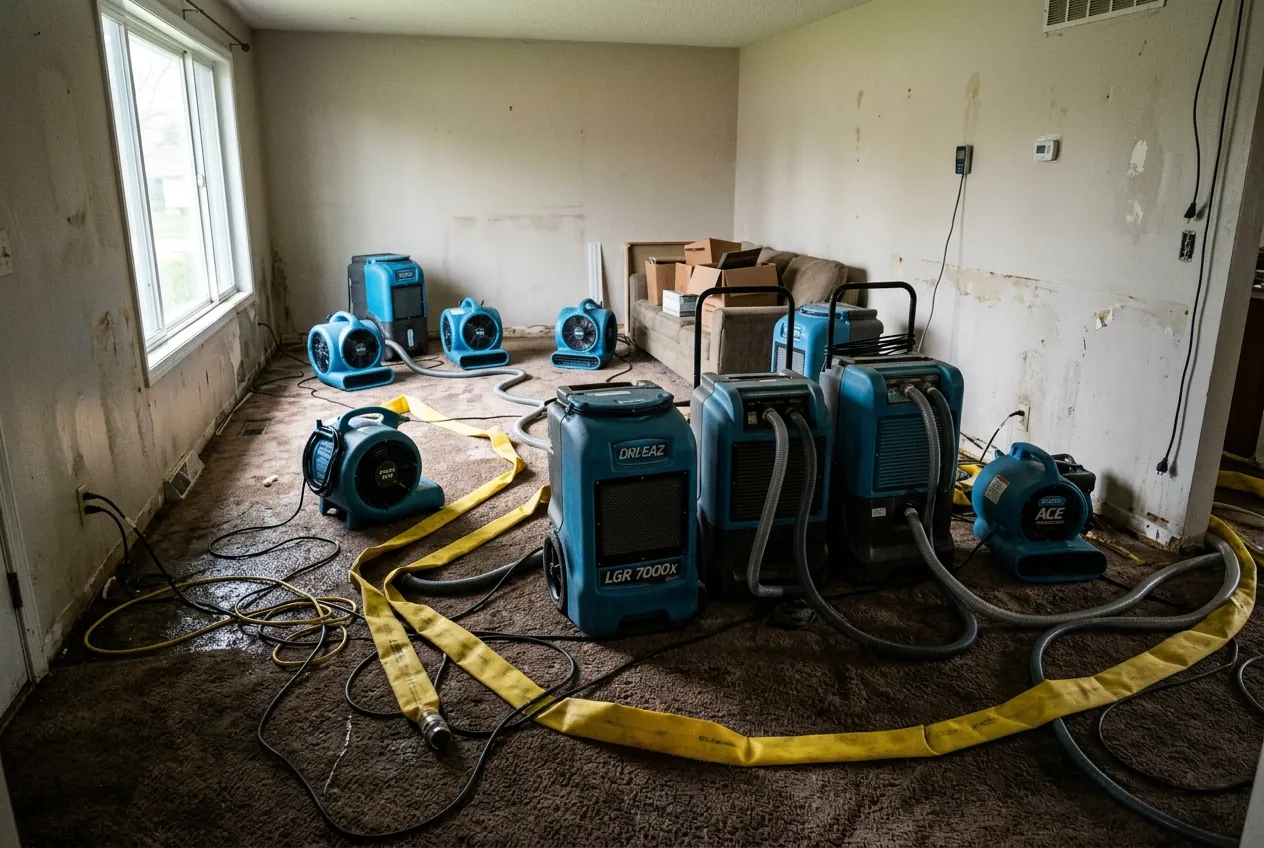
When liquid water enters a structure in Blowing Rock, it immediately begins traveling along path-of-least-resistance routes—wicking into porous drywall, pooling underneath luxury vinyl or hardwood, and saturating fiberglass insulation. Water Damage Master halts this destructive progression using applied psychrometric science.
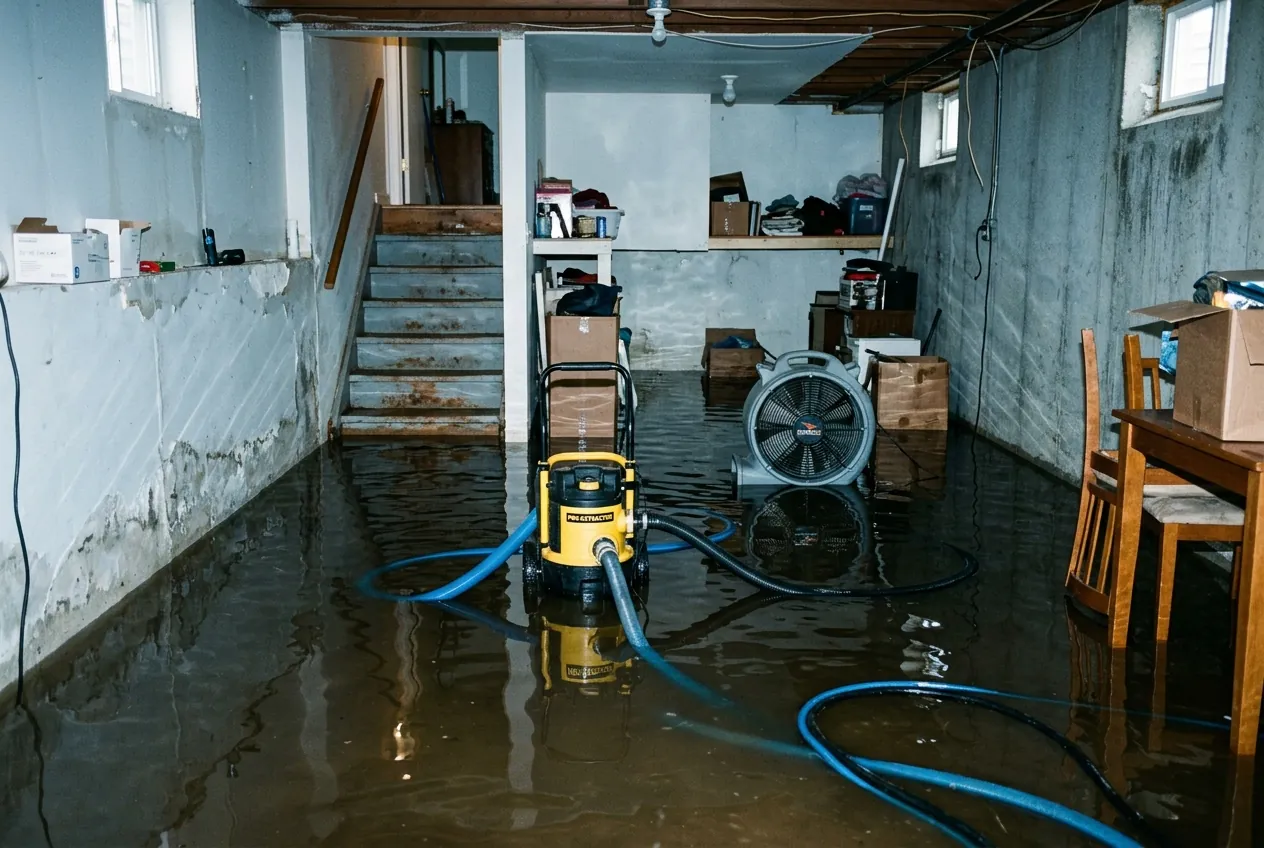
Intense seasonal rain events and high groundwater tables across Blowing Rock can swiftly overwhelm residential sump systems, inundating basements with hazardous runoff. Our field supervisors use non-destructive FLIR thermal imaging to identify saturation perimeters and inject low-grain dehumidified airflow directly into concealed cavities, saving structural elements from demolition.
We proudly protect homes, multi-family residences, and commercial facilities throughout Blowing Rock, Watauga County, and adjacent North Carolina zip codes.
Deep Structural Extraction
High-volume vacuum extraction removes bound water from concrete, subflooring, and crawlspaces.
Microbial Inactivation
Hospital-grade antimicrobial application and negative air filtration prevent fungal proliferation.
Reliable Structural Drying In Blowing Rock
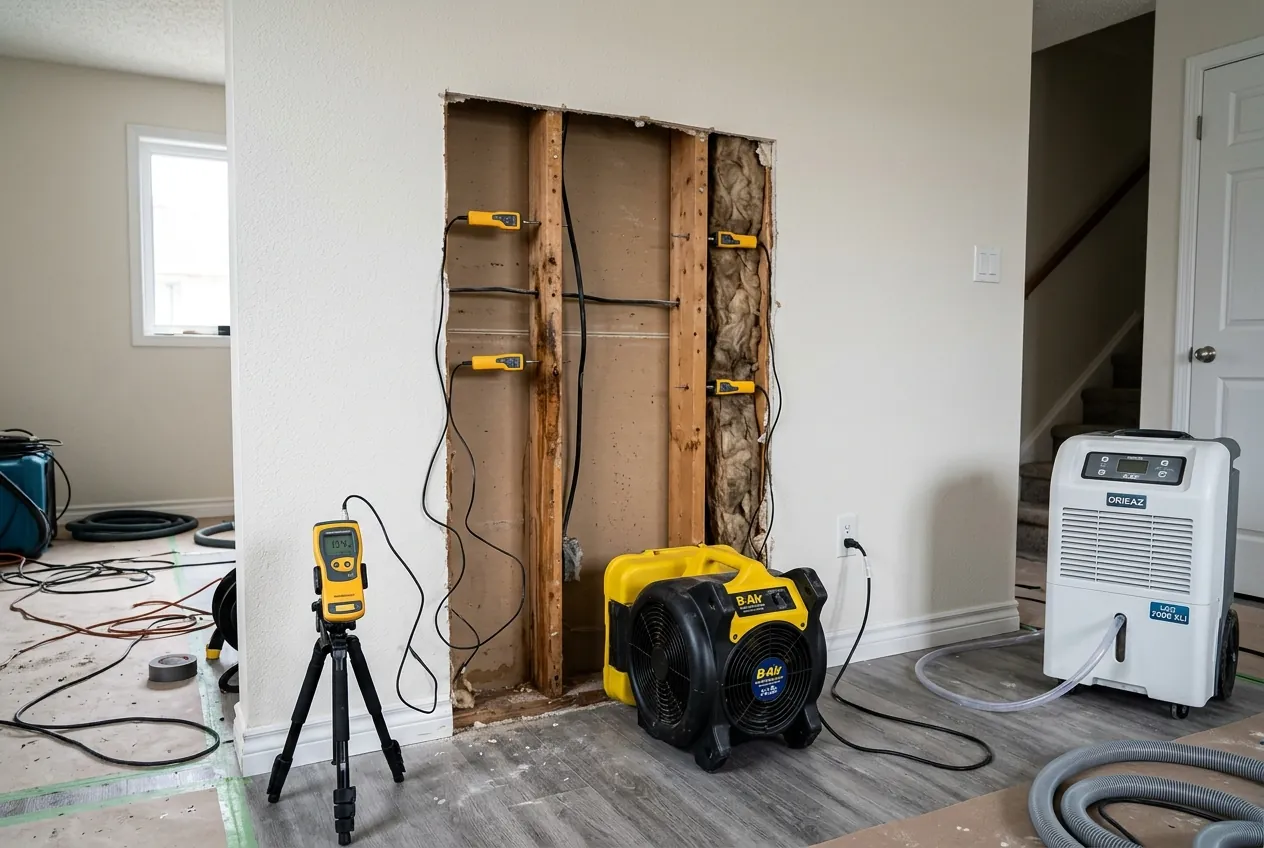
Unseen moisture trapped behind insulated exterior walls and underneath finished tile poses the single greatest hazard to properties across Blowing Rock, North Carolina. Water Damage Master equips every emergency response unit with military-grade FLIR thermal imaging cameras and calibrated dielectric pinless moisture sensors.
This non-destructive diagnostic approach maps the precise boundaries of moisture migration across ceilings, wall cavities, and concrete foundations without destructive exploration. We identify the exact perimeter of saturation, ensuring no hidden pocket of trapped water remains to fuel secondary microbial colonization.
Primary Service Zip Codes in Blowing Rock
Frequently Asked Questions • Blowing Rock, NC Water Mitigation
For Category 1 clean water losses with limited area involvement, staying on-site is generally acceptable though equipment generates steady white noise and warm ambient air. However, if sewage (Category 3), significant mold contamination, or compromised structural framing is present, Water Damage Master strongly recommends temporary relocation for health and safety until negative-pressure containment and sanitization are verified in Blowing Rock, North Carolina.
Due to the "stack effect," up to 50% of the air on your ground floor originates in your crawlspace or basement. When standing water or high humidity accumulates underneath your home in Blowing Rock, North Carolina, it causes wood-destroying fungal decay in floor joists and allows microbial spores, radon, and moisture vapors to seep upward into living areas. We pump out crawlspace water, sanitize the ground cover, and dry structural timbers.
If a ceiling is sagging or bulging with trapped water, it presents an imminent collapse hazard. Place a large collection bucket underneath, clear surrounding furniture, and use a screwdriver to carefully puncture a small drainage hole in the center of the lowest bulge to relieve hydraulic pressure. Then call Water Damage Master at (877) 410-2199 immediately to mobilize technicians who can locate the overhead leak and stabilize the ceiling framing in Blowing Rock, North Carolina.
Warning signs of an under-slab pipe rupture include unexplained hot spots on tile or hardwood floors, an audible hissing sound of running water when all taps are closed, sudden drops in household water pressure, and sharp spikes on your utility water bill. Water Damage Master employs acoustic listening discs, line tracers, and high-resolution thermal imaging to pinpoint slab leak locations in Blowing Rock, North Carolina without indiscriminate concrete demolition.
Yes. Our restoration professionals in Blowing Rock, North Carolina prioritize EPA-registered, hospital-grade botanical disinfectants derived from natural thyme oil, as well as low-toxicity quaternary solutions. These compounds neutralize bacterial pathogens, viral agents, and fungal spores without leaving hazardous synthetic chemical residues. Once surfaces have dried—normally within 30 to 60 minutes—the area is safe for families and domestic animals.
Drywall exposed to Category 1 clean water can often be salvaged and dried in place if the gypsum core remains rigid and non-delaminated. However, if water wicked high up the wall, saturated fiberglass insulation, or involved Category 2 or Category 3 black water, industry standards mandate a "flood cut"—slicing away the lowest 12 to 24 inches of drywall. This allows our teams in Blowing Rock, North Carolina to extract soaked insulation and directly ventilate wall framing cavities.
The IICRC S500 standard classifies water into three hygiene categories: Category 1 (Clean Water) originates from sanitary sources like broken supply lines or faucet overflows. Category 2 (Grey Water) carries chemical or physical contamination from washing machines, dishwashers, or sump pump overflows. Category 3 (Black Water) is grossly unsanitary, containing sewage, ground surface floodwaters, or standing water that has stagnated. Each category requires distinct containment barriers, personal safety gear, and antimicrobial treatment protocols in Blowing Rock, North Carolina.
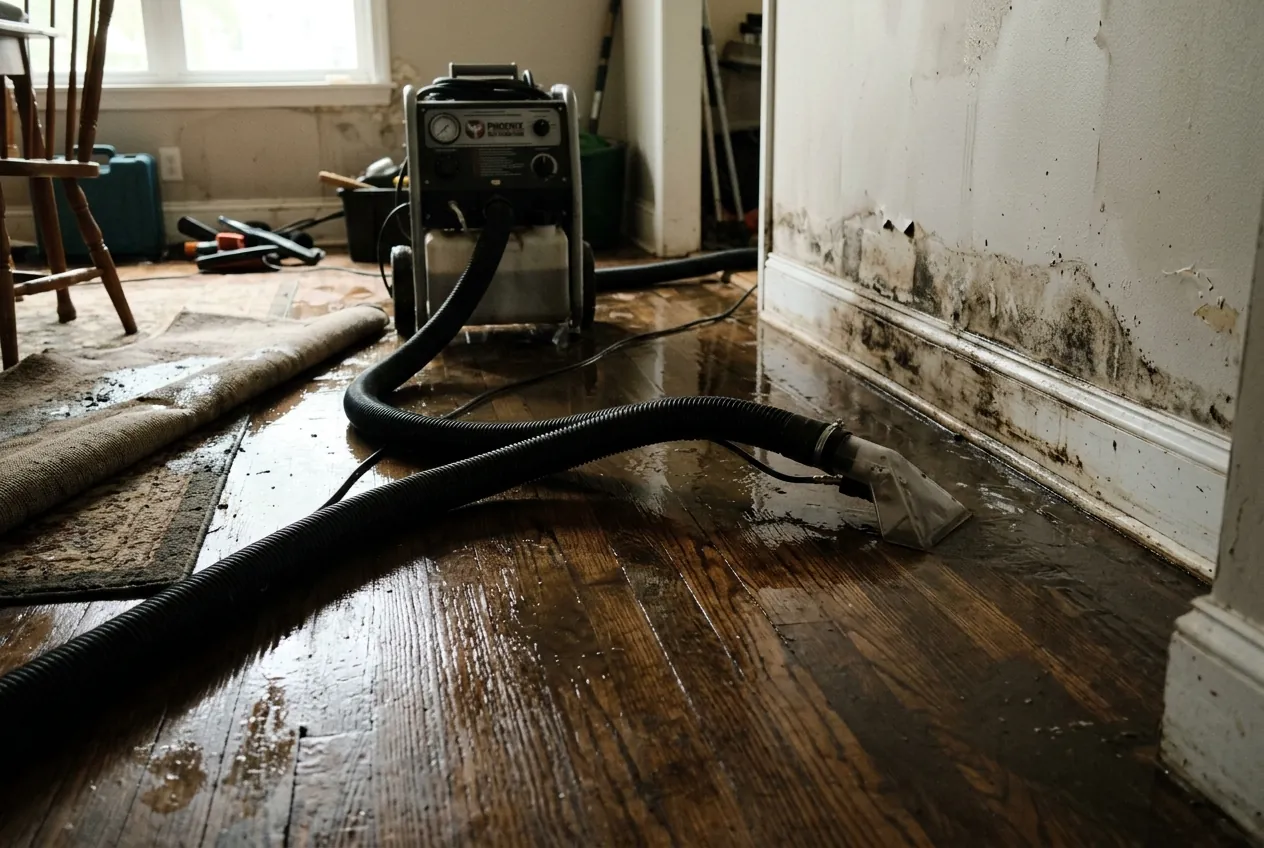
Plywood and oriented strand board (OSB) subflooring expand and lose adhesive integrity when saturated. Water Damage Master utilizes specialized vacuum extraction rescue mats sealed directly over hardwood and subfloor seams in Blowing Rock, North Carolina. By drawing liquid water under high negative pressure while blowing dry, heated air into the basement or crawlspace joists below, we extract trapped moisture before irreversible warping or wood rot develops.
Recent Disaster Recovery Outcomes in Blowing Rock
"Our HVAC air handler drain clogged in the attic during peak summer humidity in Blowing Rock, North Carolina, causing the ceiling drywall above our nursery to buckle with water. Water Damage Master responded at 10 PM, relieved the ceiling pressure safely into buckets, extracted the attic framing moisture, and treated the joists against spore growth."
"I was skeptical that our saturated drywall could be dried without gutting the whole room. Water Damage Master took continuous pin-meter readings, explaining every daily moisture measurement to me in detail. They reached industry baseline dryness in four days without unnecessary demolition. Honest, capable, and reliable professionals in Blowing Rock, North Carolina."
"During kitchen renovations in Blowing Rock, North Carolina, our contractor accidentally nicked an active PEX water line inside a load-bearing wall. Water Damage Master was on-site within an hour with industrial air movers and moisture probes. They dried out the internal studs over 72 hours, enabling the contractor to resume work without structural delay."
Experiencing Flooding or a Plumbing Breach in Blowing Rock?
Do not wait for structural timbers to cup or black mold to colonize your walls. Call Water Damage Master now for 24/7 priority emergency response.
Call Now: (877) 410-2199