
Properties Dried & Certified
Average Emergency Mobilization
Psychrometric Dry Standard
Water Damage Restoration Services In Taylor
Expert Water Damage Restoration Services in Taylor
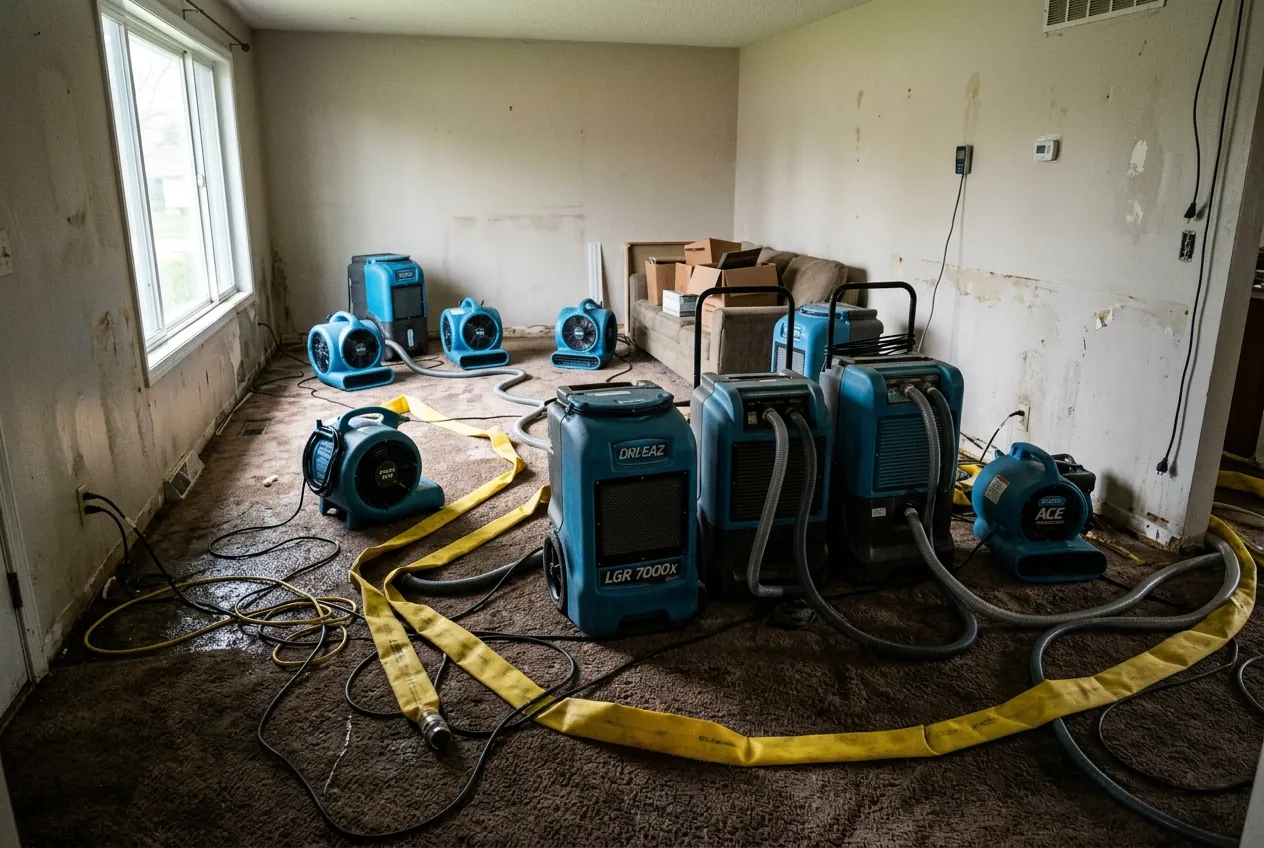
Recovering from an unexpected water crisis in Taylor shouldn't involve bureaucratic delays or contractor disputes. Water Damage Master delivers turn-key disaster management—combining heavy extraction machinery with thorough insurance documentation.
Elevated relative humidity throughout the Taylor region drastically accelerates indoor fungal germination when standing water is not extracted within 24 hours. We generate itemized Xactimate claim packages and negotiate directly with your adjuster to ensure your property is restored to certified dry standards without financial surprises.
We proudly protect homes, multi-family residences, and commercial facilities throughout Taylor, Stark County, and adjacent North Dakota zip codes.
Deep Structural Extraction
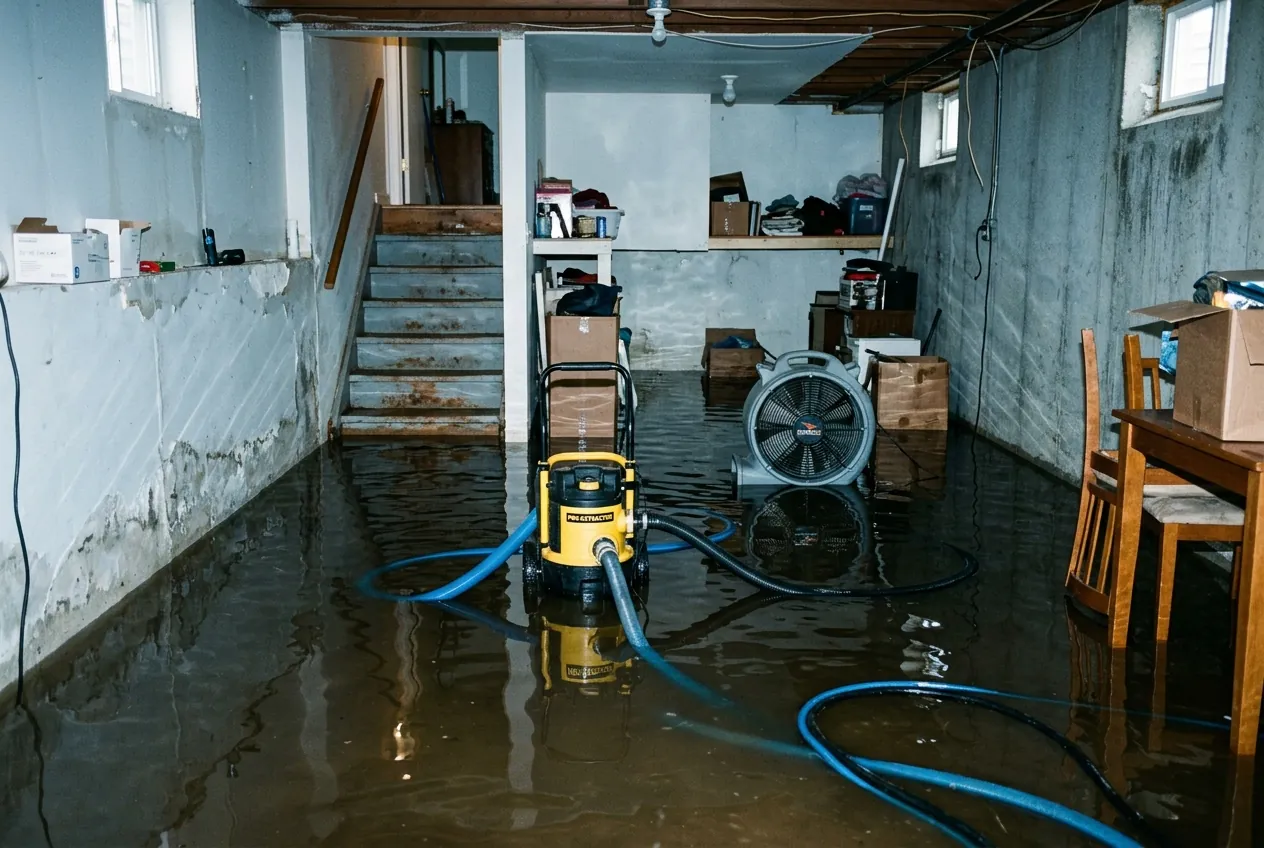
High-volume vacuum extraction removes bound water from concrete, subflooring, and crawlspaces.
Microbial Inactivation
Hospital-grade antimicrobial application and negative air filtration prevent fungal proliferation.
Reliable Structural Drying In Taylor
Every restoration engagement with Water Damage Master in Taylor, North Dakota is assigned a dedicated IICRC-certified Project Manager who serves as your direct point of contact from first extraction to final structural clearance.
Your Project Manager conducts daily site audits, reviews moisture readings with you line by line, coordinates technician schedules, and liaises directly with your insurance adjuster. You never have to wonder about the status of your home—we provide clear, factual updates every 24 hours until certified dry.
Primary Service Zip Codes in Taylor
Frequently Asked Questions • Taylor, ND Water Mitigation
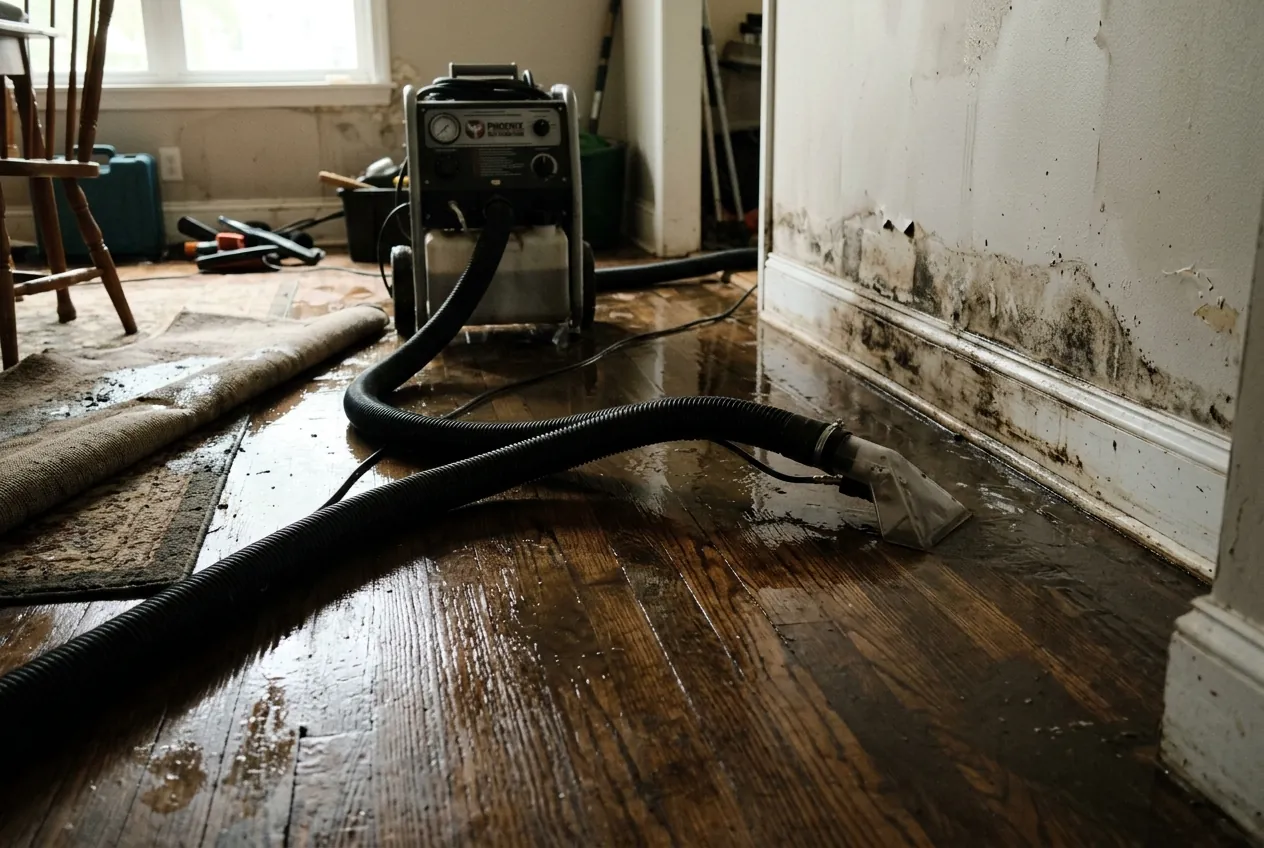
Eliminating odors requires addressing the root source rather than masking it. Water Damage Master extracts all contaminated fluids, removes non-salvageable wet padding, applies EPA-registered botanical or quaternary antimicrobial agents, and operates commercial HEPA filtration air scrubbers. When dealing with sewage or long-standing water in Taylor, North Dakota, we also utilize hydroxyl generators to neutralize volatile organic compounds at the molecular level.
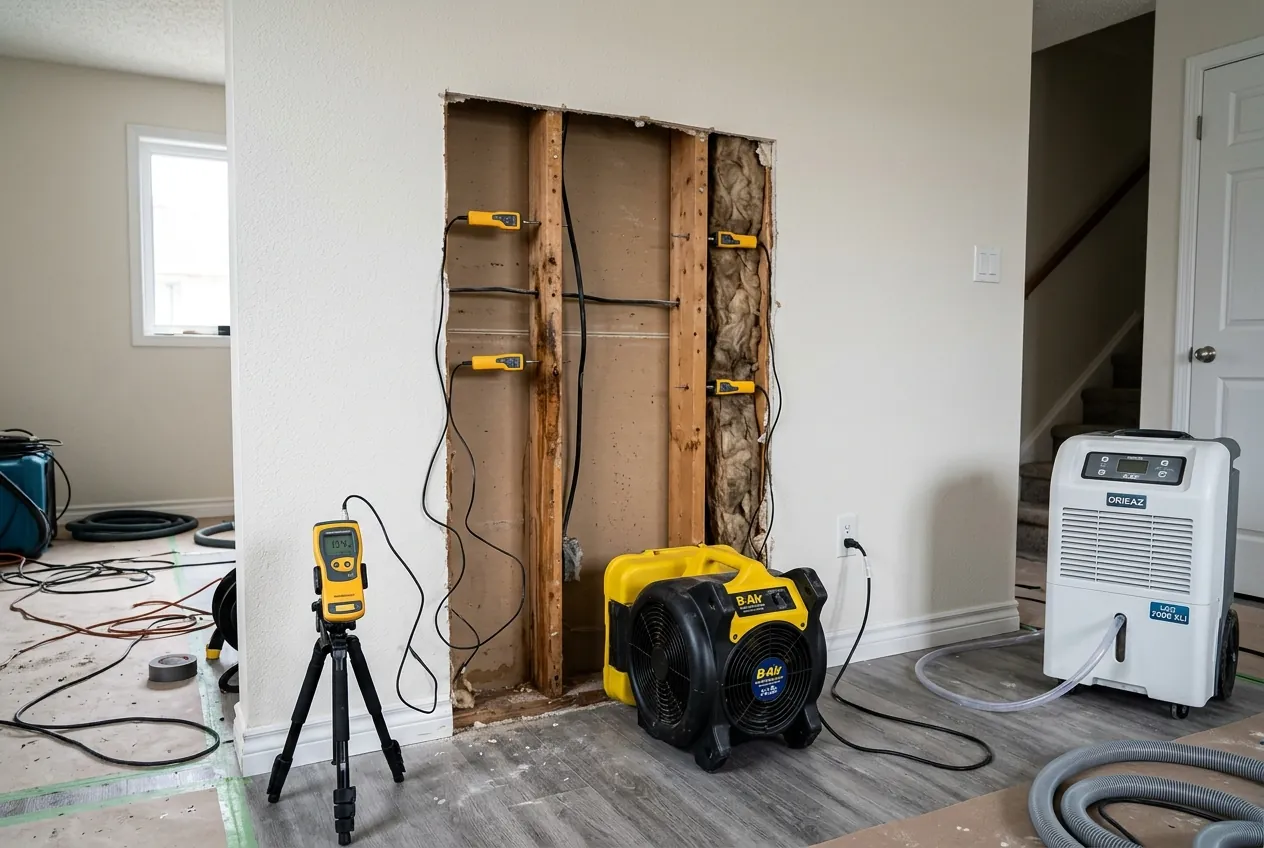
Drying is never determined by touch or guesswork. Restoration technicians from Water Damage Master track scientific drying goals every 24 hours using calibrated penetrating moisture meters, thermal imagers, and psychrometric sensors. We only conclude the drying phase when all structural materials—framing studs, sill plates, and subfloors—reach their regional dry standard equilibrium in Taylor, North Dakota, accompanied by a comprehensive moisture clearance report.
On average, the structural drying phase requires 3 to 5 continuous days. Drying times depend on ambient outdoor weather in Taylor, North Dakota, the volume of water, and the specific density of affected materials like concrete, plaster, or hardwood. Technicians from Water Damage Master visit daily to take psychrometric readings (measuring grains per pound and relative humidity) and will only remove machinery once all materials reach certified dry standard benchmarks.
Psychrometrics is the thermodynamic science of atmospheric air and water vapor behavior. Rather than simply blowing air randomly, our technicians in Taylor, North Dakota calculate specific vapor pressure differentials between saturated building materials and the surrounding air. By adjusting ambient temperature, dehumidifier capacity, and airflow velocity, we force water molecules out of dense structural studs into the air where our dehumidifiers condense and drain them away.
Building materials such as gypsum board, subflooring, and wooden sill plates absorb liquid water rapidly through capillary action. Within 24 to 48 hours of saturation, fungal spores naturally present in indoor air activate and colonize porous surfaces. Fast response from Water Damage Master in Taylor, North Dakota stops moisture migration, creates controlled drying chambers, and prevents microscopic mold colonies from turning an extraction job into a major tear-out project.
First, shut down the main water shutoff valve if the source is an internal plumbing line. Never enter rooms with standing water if power outlets or submerged electrical cords are active—shut off corresponding breakers at the electrical panel first. Avoid placing newspapers on damp carpet as wet ink transfers permanently, and elevate draperies and furniture legs onto aluminum foil or plastic blocks. Then call (877) 410-2199 for live emergency guidance.
If active fungal growth is uncovered during water mitigation, our crew immediately pauses high-velocity air movement to prevent spreading spores throughout your ductwork. We establish critical containment barriers using 6-mil poly sheeting under negative air pressure, notify you and your insurance adjuster, and transition the affected zone into formal IICRC S520 mold remediation protocol in Taylor, North Dakota.
Drywall exposed to Category 1 clean water can often be salvaged and dried in place if the gypsum core remains rigid and non-delaminated. However, if water wicked high up the wall, saturated fiberglass insulation, or involved Category 2 or Category 3 black water, industry standards mandate a "flood cut"—slicing away the lowest 12 to 24 inches of drywall. This allows our teams in Taylor, North Dakota to extract soaked insulation and directly ventilate wall framing cavities.
Recent Disaster Recovery Outcomes in Taylor
"A sewer main backup flooded our lower level bathroom and hallway in Taylor, North Dakota. It was a genuine biohazard emergency. The technicians arrived in full protective respirators and suits, safely discarded the contaminated rugs, deep-cleaned the tile and grout with EPA-approved biocides, and ran HEPA air scrubbers until all odors vanished."
"A slow leak from an ice-maker poly line had been trickling behind our custom kitchen cabinetry for months, creating hidden black mold. Water Damage Master set up cleanroom-grade negative pressure containment, removed the contaminated backing boards safely, and treated the framing with botanical fungicides. The final air clearance test came back spotless."
"Flash flooding inundated our crawlspace with mud and standing groundwater. Water Damage Master pumped out the water, extracted wet debris, sanitized all foundation piers, and installed industrial desiccant drying units. The musty smell that had plagued our entire first floor was completely gone within days."
Experiencing Flooding or a Plumbing Breach in Taylor?
Do not wait for structural timbers to cup or black mold to colonize your walls. Call Water Damage Master now for 24/7 priority emergency response.
Call Now: (877) 410-2199